
Student Mental Health: How Schools Can Support Students
Student mental health is no longer a side topic. It directly affects how students show up, learn, and stay engaged in school. When students feel supported, attendance improves, behavior stabilizes, and academic follow-through gets stronger. Schools that take this seriously focus on both access to support and the overall environment students experience each day.
.png)
.svg)
Joth Smith

Student mental health has become much more than a "side issue" and is now central to how schools operate, enabling them to stay focused, attend classes, behave appropriately, and request assistance when needed before an issue escalates. Schools today face a very real challenge as they deal with students reporting greater levels of stress, anxiety, and emotional distress, while simultaneously facing challenges to provide adequate support systems. This guide will break down the factors that have led to this current state of affairs; show you what the data is indicating about the student mental health environment in both K-12 and collegiate settings; and identify areas in which many schools continue to fall short.
Why student mental health is important in 2026
Mental health can't be treated as if it has no impact on academic performance. For example, if a student is consistently feeling overwhelmed, they may have difficulty focusing, organizing themselves, managing their emotions, participating in class, and/or attending school. If a student is feeling isolated, they may not trust adults enough to ask for help. If a student is under constant stress, they may appear disengaged, defiant, or distracted; however, what may really be going on is the strain of emotional distress.
When schools invest in mental health, they are not stepping outside their educational mission. They are protecting the conditions that make learning possible. Better student well-being supports stronger engagement, healthier behavior, more trust in adults, and better academic follow-through. For example, middle schools that add short weekly check-ins and train teachers to spot early signs of stress often see fewer behavioral issues and more consistent class participation within a semester. In a high school setting, students who feel supported by staff are more likely to attend regularly.
Student mental health by the numbers
The data makes the urgency clear.
What current K–12 data shows
While the majority of U.S. high school students are doing well, many others have been reporting ongoing depression, poor mental health, and suicide risk factors. Thus, while it is important to note that not all students appear to be experiencing severe levels of distress at this time, there is considerable evidence to suggest that students attending school today are commonly experiencing some level of stress or anxiety.
According to CDC analysis of the 2023 Youth Risk Behavior Survey, large shares of U.S. high school students reported persistent sadness, poor mental health, and suicide risk indicators, highlighting how common emotional strain has become in school-aged populations.
These statistics make it clear that the issues with student mental health aren't confined to students who have received professional help for their problems. A lot of kids carry around heavy emotional loads and will likely keep them hidden unless someone they trust notices something has changed, asks how they're doing, and knows where to go from there.
College student mental health statistics 2025
Higher education also presents a very serious image. At the same time that college students are dealing with high levels of academic pressure, they are also experiencing transition stress, feelings of isolation or loneliness, financial burdens, questioning their own identities, and increased independence from family members. Some students will use these experiences on campus to build relationships and create opportunities for themselves. Other students may find that these same experiences reveal areas where they lack the ability to effectively cope with things that stress them out.
According to the Healthy Minds Study 2024–2025 National Data Report, large shares of college students reported moderate or severe depressive and anxiety symptoms, while many also reported suicidal ideation or recent use of counseling or therapy services.
How can schools support student mental health?
Schools don't have the luxury of developing their ideal support system by building programs tailored to students' needs. Support systems must be developed around the day-to-day elements that create an environment where students perceive themselves as safe, viewed, informed, and supported in identifying and accessing resources.
Build mental health literacy early
The single most critical factor in assisting students with their mental health is their ability to recognize when there are problems. Through education regarding mental health, students are better able to detect indicators such as stress, a low mood, or anxiety. Education about mental health may help students understand that seeking assistance for these conditions is appropriate. Providing students with this education at an earlier stage than typically occurs can provide students with more opportunities to obtain assistance before developing serious mental health issues.
Make connectedness part of daily school life
Schools can provide some of the best resources for students' mental health through belonging. Belonging provides a strong resource for students to manage their lives, as long as they know they have others who respect and include them. The absence of this feeling of belonging will affect a student's ability to focus, motivate themselves, build trust with teachers and staff, and maintain an emotionally stable environment.
Teach coping, not just crisis response
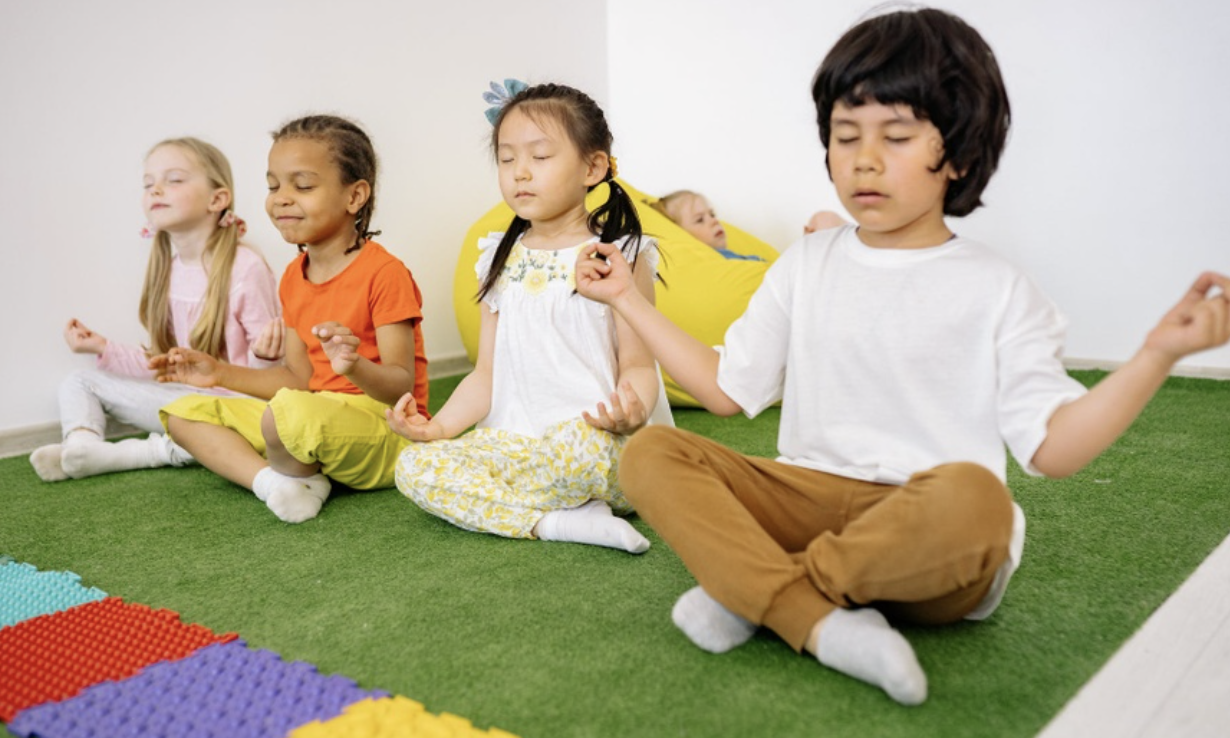
Most schools tend to react rather than prepare. Students need real-life skills (such as mindfulness, reflection, emotional regulation, problem-solving, and decision-making) to manage their stress, frustration with failure or conflict, and daily pressures, so those emotions don't develop into shutdown or panic.
Improve access to support
Schools can have very good resources available, yet it can be difficult to get them. There could be many reasons for this, such as the student does not know how to find someone, who to see, or what will happen once they see someone. Schools can decrease these obstacles by making it easier and more visible for students to seek support.
Support staff well-being too
Teachers and other school employees are usually the first to realize when a student is having an issue. However, they can only identify issues with students when they themselves are not burned out. Supporting staff leads to increased consistency, trust, and school climate, providing a safe environment for students to ask for help.
What gets in the way of support
Even when schools care deeply about student mental health, several barriers show up again and again. Some are structural. Some are cultural. Some are simply the result of overloaded systems.
- Students do not always know where to go for help.
- Many students believe they do not have enough time to access support.
- Financial barriers still affect access, especially in college settings.
- Some students prefer to manage distress alone until the problem becomes harder to contain.
- Support systems can feel fragmented across teachers, counselors, advisors, administrators, and families.
These barriers matter because they reveal a common mistake: schools often assume support exists once services exist. That is not true. Support only becomes real when students can find it, trust it, and use it without excessive friction.
What schools can do this semester for student mental health
Schools do not need to wait for a perfect long-term plan to make progress. They can begin with a few practical improvements that reduce confusion and increase connection right away.
A smarter way to measure student mental health support
Schools have made many claims about the importance of students' mental well-being; however, most continue to narrow their view when measuring it. While counting the number of counseling sessions a student has attended can provide evidence that a student is receiving some form of support, it does nothing to indicate whether a student feels safe at school, whether he/she/they feel supported by school staff, or whether the student feels connected with peers.
Thrivenest approaches measurement differently, using trauma-informed system thinking and Social and Emotional Learning (SEL) by examining both students’ ability to access supports and their daily experiences. Therefore, Thrivenest measures the student’s "access to support" as well as what a student experiences every day. In doing so, we look past just service delivery and focus on what students are experiencing in their daily lives.
Using metrics such as the pattern of a student's attendance, chronic absence, awareness of where to go for support, time frame between being referred to support services and having first contact with those services, a student’s perception of belongingness to their school community, and staff confidence in providing responses to students begin to create an accurate picture of the state of student well-being. As a result, by developing these types of models, schools can shift from general concern for their students' welfare to measurable improvements in student well-being.
FAQ
Why is student mental health important in schools?
Mental health for students is far more than just emotional well-being. Their mental health influences their ability to pay attention, attend school, behave in the classroom, and ultimately form and maintain positive relationships and stay motivated and persistent in their academic pursuits.
What should schools focus on first?
Schools should begin by making it easy to understand which support services are available and by making these resources easily accessible. Additionally, schools should find one simple way to enhance students' feelings of connection and ensure that teachers/staff understand how to provide support when students appear to be experiencing difficulties.

Subscribe to newsletter
Browse all blogs
.svg)
.svg)















.png)
.svg)
