
Social and Emotional Learning Activities For Teens
Social and emotional learning activities help teens develop confidence, communication skills, and emotional awareness. This guide provides practical ideas educators and families can use to support growth.
.png)
.svg)
Joth Smith

Social and emotional learning activities are a new way to learn. Focus on what's going on underhood from a psychological and trauma-informed perspective, and you can help coax progress out of teens and young adults. Social and emotional earning activities focus on why certain social situations might conjure up certain emotions, and those emotions can result in changes in behavior.
Social and emotional learning activities for teens
Check-ins
Students pick a word, color, or number that matches how they feel at that moment. The name of the game here is settling in and slowing down. For example, a student might tap “blue” on the board and admit they’re dragging after a rough morning, which gives the teacher a quiet signal to check in later.
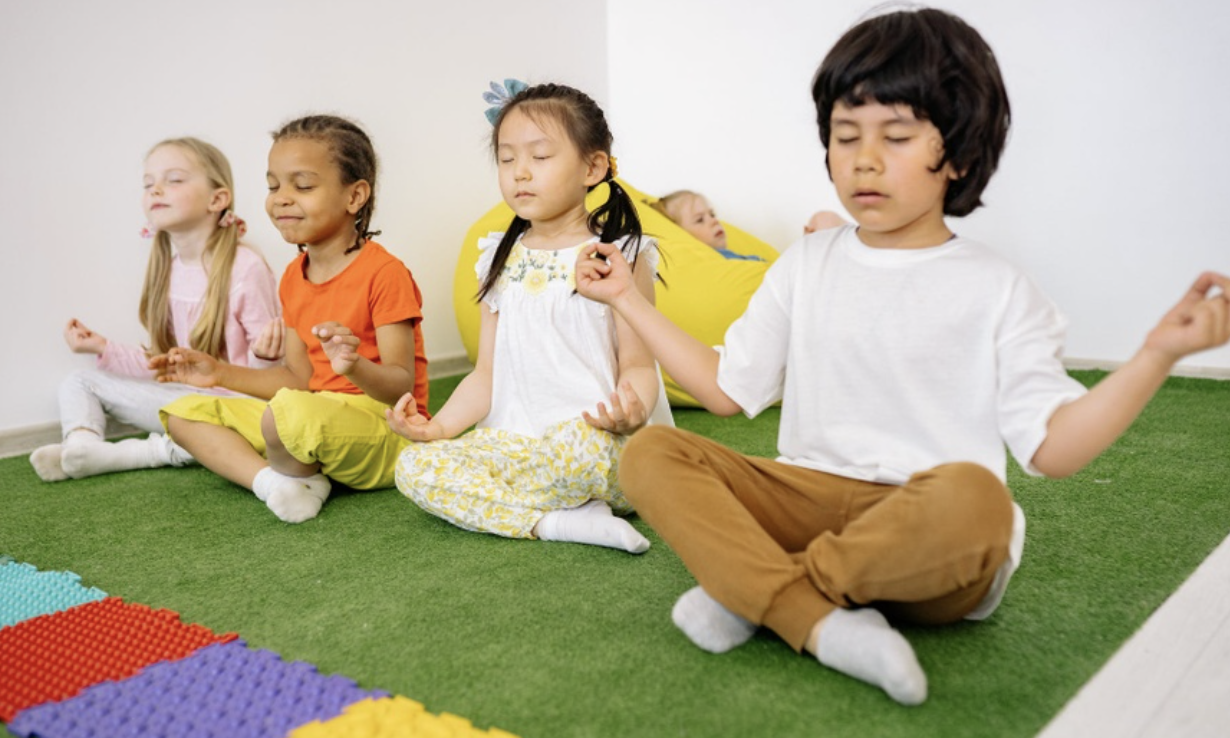
Two-minute breathing reset
Classes pause and do a short breathing or grounding routine together, which supports focus and helps students calm their bodies. For example, a teen who usually bursts into the room full of leftover hallway chaos takes a breathing moment and suddenly stops tapping their leg, which can be an annoying occurrence.
Strengths-spotting journals
It's important to seed self-confidence and teens and young adults whenever possible. Students write one thing they handled well or noticed about themselves. This builds identity and healthy self-talk. For example, a student who normally points out everything they did wrong writes, “I figured out the graph problem without giving up,” which nudges their brain chemistry to see progress instead of flaws.
Peer partner conversations
Students talk with a partner using simple prompts that teach listening and empathy. They can also help with concepts such as taking turns or helping out, which builds social awareness. Two students might trade stories about the funniest thing that happened at lunch, and one of them realizes they cut people off mid-sentence and starts practicing pausing before speaking.
Goal-setting cards
Students choose one small, concrete goal for the day or week. This helps them break tasks into pieces they can manage. A teen who gets overwhelmed by big assignments writes, “Finish the intro paragraph,” and feels accomplished instead of defeated when they actually do it.
Calm-corner visits
A small space in the classroom lets students take a short reset when emotions spike. This helps them regain control without leaving the room. For example, a student frustrated after a group mix-up grabs a stress ball, sits for two minutes, and returns ready to rejoin instead of escalating.
Circle routines
Students sit in a circle and share something simple, like a win from the week or one thing they’re looking forward to. This builds community and trust. Imagine a usually silent student finally sharing, “My cousin taught me how to make empanadas,” and the whole circle lights up, creating a moment of connection that lasts.
What are social and emotional learning activities
Social and Emotional Learning Activities help students build skills in five interconnected domains: self-awareness, self-management, social awareness, relationship skills, and responsible decision-making. In the education sector, this often looks like the following:
For invididuals individuals in the education filed, below is how to turn these concepts into practical, executable examples.
Why do social and emotional learning activities matter so much?
Students today all suffer from one thing: information overload. Not only does it shorten attention spans, but it also invites things like social comparison and a kind of digital isolation that was unheard of in previous generations. So what's happening? Students today know how to interact with other people online, but they end up being borderline helpless when they are faced with real-life interactions with fellow homo sapiens.
SEL activities help students:
- Understand and name emotions
- Regulate stress responses
- Build relationships with peers
- Develop confidence in asking for help
- Feel safe enough to take academic risks
SEL can have a profound effect on the learning environment. Teachers report that classrooms become calmer, conflict becomes more manageable, and communication with families improves when SEL is woven into daily routines. For districts facing rising absenteeism or burnout among staff, SEL is not an add-on; it’s the solution. Or at least part of the solution that is.
Why SEL activities are important for school districts
For school districts, SEL is more than routines performed in the classroom; it can represent a fundamental shift in the fortunes of a school. Things like attendance, staffing stability, and long-term academic outcomes can all tick upwards if SEL activities are embraced wholeheartedly. But you know what's just as important, even more important for school districts? Funding, and this is where SEL can really make a difference.
SEL initiatives are strong candidates for grant funding
Districts
Districts navigating limited budgets often rely on federal, state, and private grants to expand SEL programming. Fortunately, SEL aligns with what many grant reviewers prioritize: measurable impact, equity-driven support, and long-term student well-being. Grant reviewers consistently favor initiatives that can demonstrate:
- Clear, data-backed student outcomes (attendance gains, fewer referrals, higher engagement).
- Whole-child alignment with state and federal definitions of safe and supportive schools.
- High scalability across multiple campuses or grade bands.
- Strong sustainability plans after the grant cycle ends.
- Tools that meet underserved students where they are, including digital platforms like ThriveNest that reduce access barriers.
Districts that adopt SEL activities with consistent routines and measurable benchmarks often find it easier to secure funding, and to show meaningful progress in their end-of-year grant reports.
A Closer Look: Types of SEL Activities Used in Schools
Schools rarely implement SEL exactly the same way. Many combine approaches depending on student needs, staff capacity, and community culture. Below is a simple visual overview of three broad SEL activity models used across districts:
Examples of SEL Impact in Real Schools
Don't trust us, trust the data. Below are two real-study-based examples rewritten for clarity and student-centered understanding.
Case Example 1: Fewer discipline referrals after SEL integration (Tennessee elementary school)
A rural elementary school implemented SEL staff training and daily routines grounded in emotional regulation, relationship-building, and predictable structure.
Results after one year:
Source: Cain, 2023 (ERIC: ED649498)
Case Example 2: Academic and motivation improvements (Oklahoma middle & high school)
A longitudinal Oklahoma study measured academic performance before and after teachers adopted SEL-aligned, trauma-aware practices.
Documented outcomes:
Source: Flasch, 2022 (ERIC: ED634507)
So what does this all mean?
Even though every school community is unique, researchers have begun to document clear patterns in how social and emotional learning (SEL) shifts student and teacher experiences. When classrooms become more predictable, more relational, and more emotionally aware, the numbers tend to move in the same direction: more connection, less stress, and stronger academic engagement.
The chart below summarizes common trends found across real SEL studies, including reductions in discipline referrals, rises in academic performance, and increases in teacher confidence. While each school’s journey looks different, these before-and-after patterns offer a grounded snapshot of how SEL can reshape daily life when the practices are implemented consistently and with care.
How ThriveNest Supports Districtwide SEL Goals
As districts work to create emotionally safe, academically steady learning environments, digital tools must do more than offer lessons; they must strengthen the systems that surround students. ThriveNest was designed with this district perspective in mind. It functions as a supportive extension of SEL initiatives, helping schools translate daily emotional routines into consistent, trackable habits.
ThriveNest provides students with a calm, judgment-free digital space where they can build emotional literacy, practice self-regulation, and develop financial decision-making skills at their own pace. For teens who may not always feel comfortable speaking up in class, this gentle entry point can make SEL more accessible and more equitable.
For districts, ThriveNest becomes a strategic partner by:
- Creating consistency across schools: every student receives the same core SEL supports, regardless of campus size, staffing, or local resources.
- Reinforcing daily SEL routines: guided check-ins, reflections, and regulation practices help stabilize classroom climate across grade levels.
- Offering actionable insight dashboards: educators and administrators can observe trends in engagement and emotional patterns without needing complex data systems.
- Supporting whole-child frameworks: by integrating emotional awareness with financial decision-making, ThriveNest helps districts meet multiple competencies at once.
- Reducing access barriers: students who may struggle with transportation, scheduling, or stigma can still build vital SEL skills through a private, mobile-friendly platform.
For districts looking to tackle equity and prove to the government that they are indeed tackling it, Thrivenest is an invaluable Partner.
FAQ
What makes SEL activities different from traditional behavior management?
SEL focuses on emotional understanding and skill-building, not compliance. Students learn why emotions arise and how to manage them, which reduces the need for corrective discipline over time.
Do SEL activities take away from academic instruction?
When done well, SEL enhances academics. Students who can regulate emotions and communicate effectively participate more, stay engaged longer, and feel more confident tackling challenges.
How can families support SEL at home?
Families can ask reflection-based questions, model emotional vocabulary, and create predictable routines. Small habits, like naming feelings or taking a pause, reinforce school-based SEL naturally.
Are SEL activities culturally adaptable?
Yes. SEL is most effective when activities reflect students’ cultural backgrounds, family values, and community strengths. Flexible design ensures SEL builds belonging rather than uniformity.

Subscribe to newsletter
Browse all blogs
.svg)
.svg)








.png)
.svg)
