
SEL In Education: A Guide On How To Use It
Social and emotional learning (SEL) helps students build skills for managing emotions, building relationships, and making responsible decisions. This guide explains how SEL works in schools and why it is becoming central to modern education.
.png)
.svg)
Joth Smith

Social and Emotional learning appears everywhere these days, and the more data that we have, the more we realize it is one of the most promising avenues available to help the American education system. But what is social and emotional learning and how does it work in the context of education? If you are an educator, sit on the board of a school district, or you have a prospective student who might be interested in it, then pay attention. We'll take you through what SEL in education is, and how its current trajectory is transforming the teaching landscape as we know it.What is SEL in education?
Social and emotional learning (SEL) in education is the process of helping students develop the skills they need to understand themselves, manage emotions, build healthy relationships, and make responsible decisions. It takes into account that students come from differnet backgrounds, as well as having completely differnet brain chemistry. Some learn analytically, and others are more adept to learn in a social setting where emotions can trigger the desire to learn.
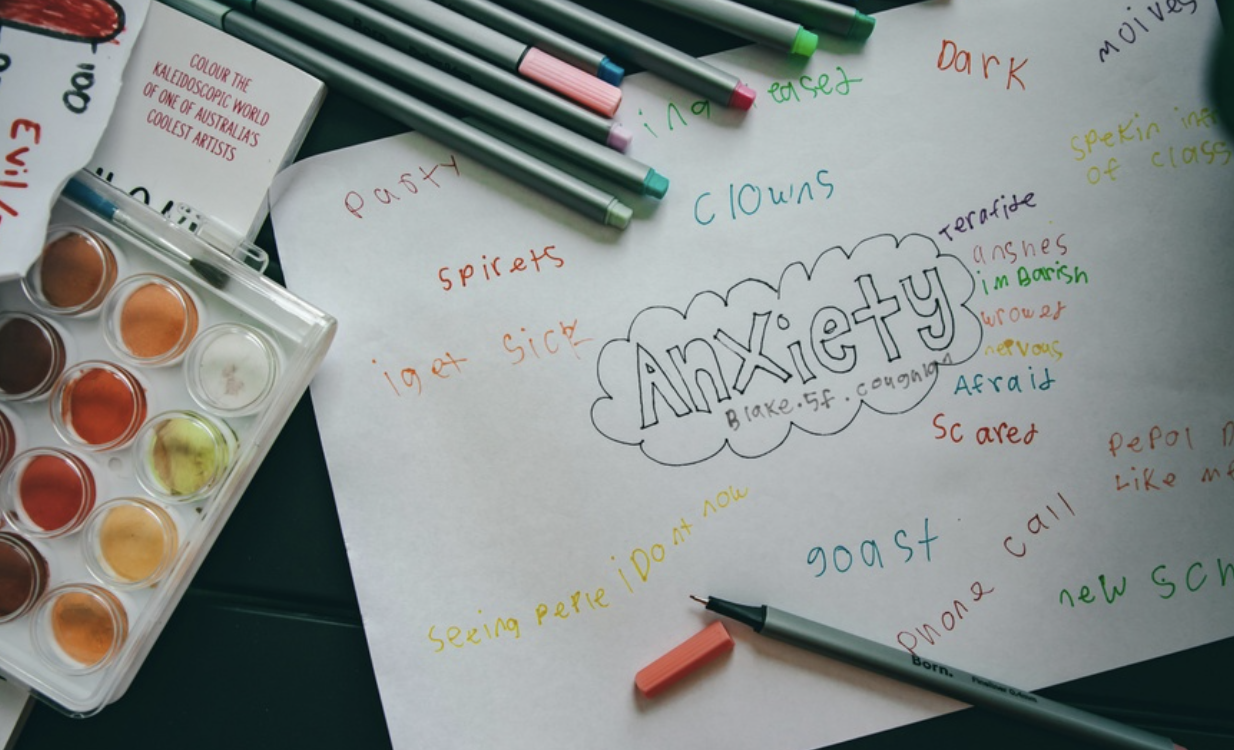
When SEL is implemented the right way, students do not simply learn a fact or procedure but also develop a means to remain engaged while experiencing anxiety, confusion, or disconnection from others. This enables the student to successfully process the new information taught in class so that it will be remembered in the future.
How SEL differs from behaviour programmes and “soft skills” lists
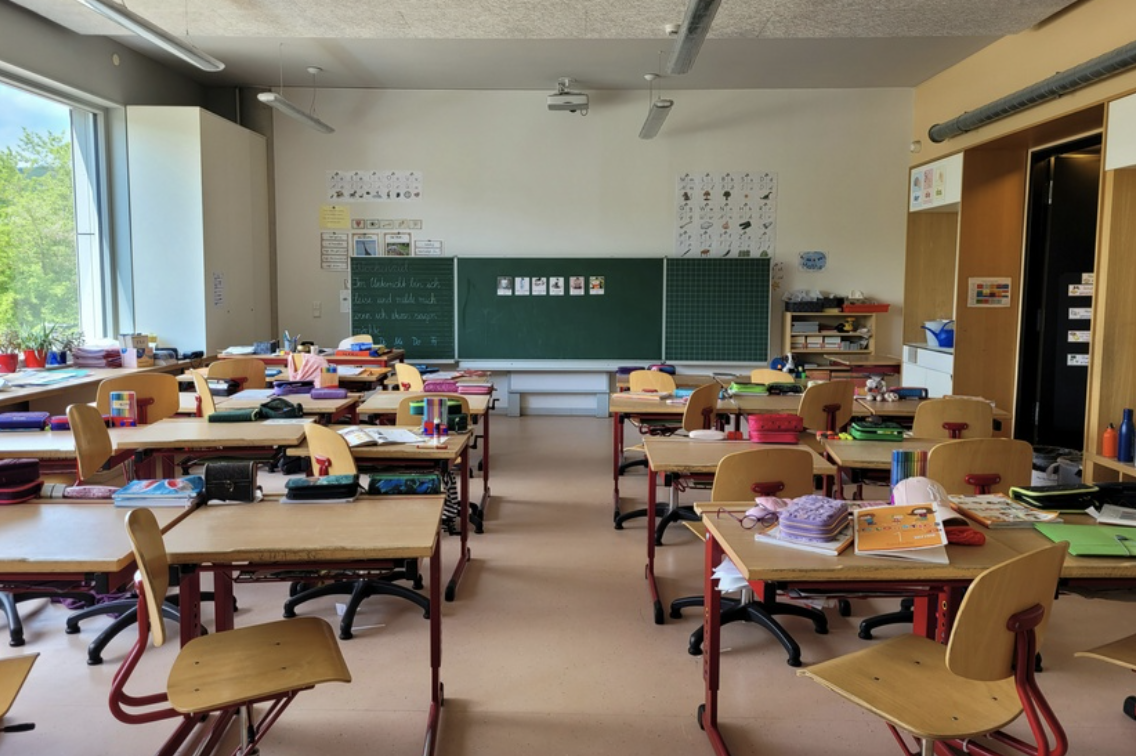
For example, let's use a classroom in Boulder, Colorado, for example, where a student keeps interrupting class non-stop. Under a traditional system, there will be rules followed by consequences. The rule being spoken in class, and the consequence being something akin to a timeout or the principal's office. An SEL approach looks at "why" this student is interupting. Is it because he doesn't understand the material? Is it because the way we teach him is not a way that he understands and can't retain the proper information? It asks why, rather than just trying to solve the immediate probelm.
The core SEL domains used in schools
Most Social Emotional Learning (SEL) frameworks used in schools organize SEL into five general categories. The labels may vary from state to state and district to district, but the basic concepts remain the same. These categories provide a common language among educators to describe students' development and progress outside of test scores.
- Self-awareness – Noticing internal experiences. This. includes recognizing your feelings, your strengths, your identity, and any early signs of potential stress.
- Self-management – Managing impulses and energy. Using calming techniques, developing short-term and long-term goals, keeping organized, and persevering when things get difficult.
- Social awareness – Understanding the people around you.To be able to take the perspective of another person and show respect for their differences.
- Relationship skills – Navigating connection and conflict. Communicating effectively, establishing boundaries, working together to solve problems, and repairing relationships after harm has been done.
- Responsible decision-making – Choosing actions with awareness. Weighing consequences, considering safety and ethics, and thinking about long-term impact.
These domains are developmental. What counts as strong self-management or social awareness is not the same in early elementary and late high school. Effective systems match expectations to age, context, and lived experience rather than applying one standard across K–12.
Where can SEL be used in schools?
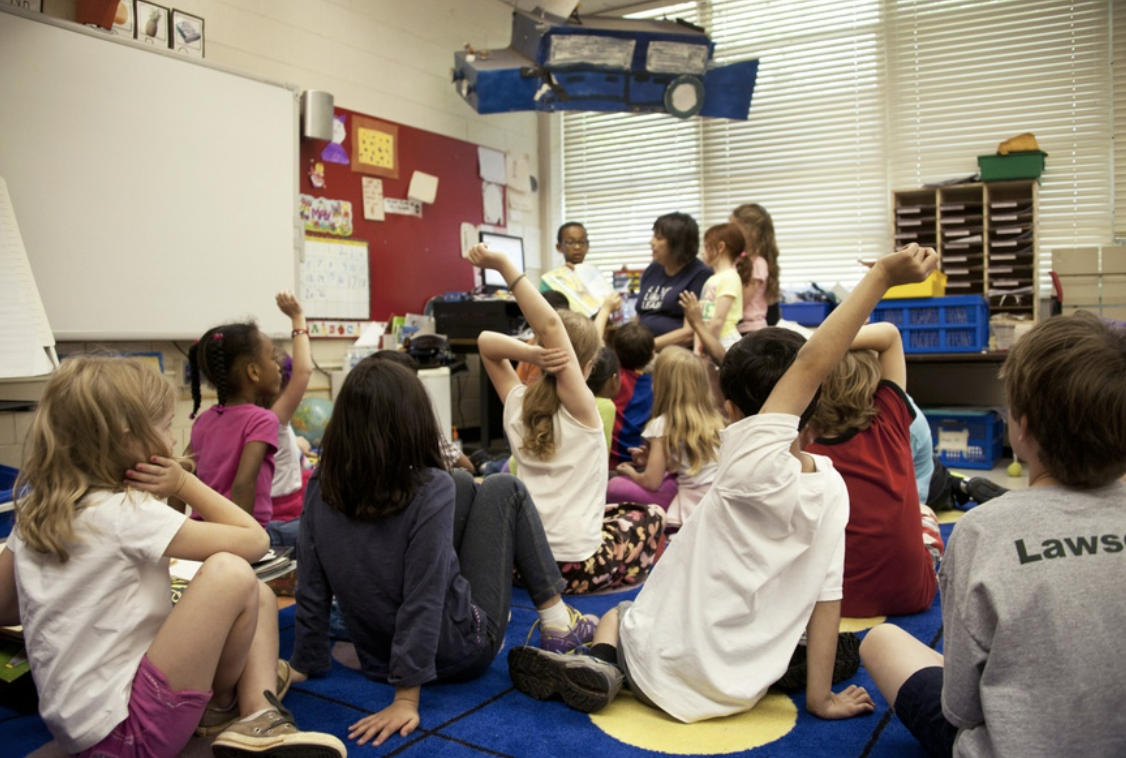
SEL in education is sometimes mistaken for a single curriculum. In reality, strong implementations combine curriculum with everyday practices across classrooms, school structures, and partnerships with families and communities.
When all three levels are aligned, SEL becomes part of the culture rather than an isolated programme that fades when funding or leadership changes.
Popular SEL programs in schools
Second Step
Second Step is one of the most commonly used Social-Emotional Learning (SEL) curricula in the United States. It teaches students to be empathetic, regulate their emotions and solve problems as a result of structured lessons in classrooms across the country, from pre-school through to middle school.
Responsive Classroom
Responsive Classroom is an entire-school approach that utilizes classroom community, routines, and relationships to provide opportunities for SEL to occur during daily instruction. Unlike the second step's scripted lessons, Responsive Classroom provides teachers with opportunities to integrate SEL practices into everyday teaching.
RULER
The RULER Program was developed at the Yale Center for Emotional Intelligence. The primary focus of this program is to help individuals recognize, understand, and regulate their emotions. Many schools utilize tools such as the Mood Meter to enhance emotional awareness and decision-making skills.
Positive Action
Positive Action is a curriculum that links Social-Emotional learning with both student academic success and improved behaviors. Positive Action has been shown to be strongly correlated with increased academic achievement and decreased behavioral issues.
MindUP
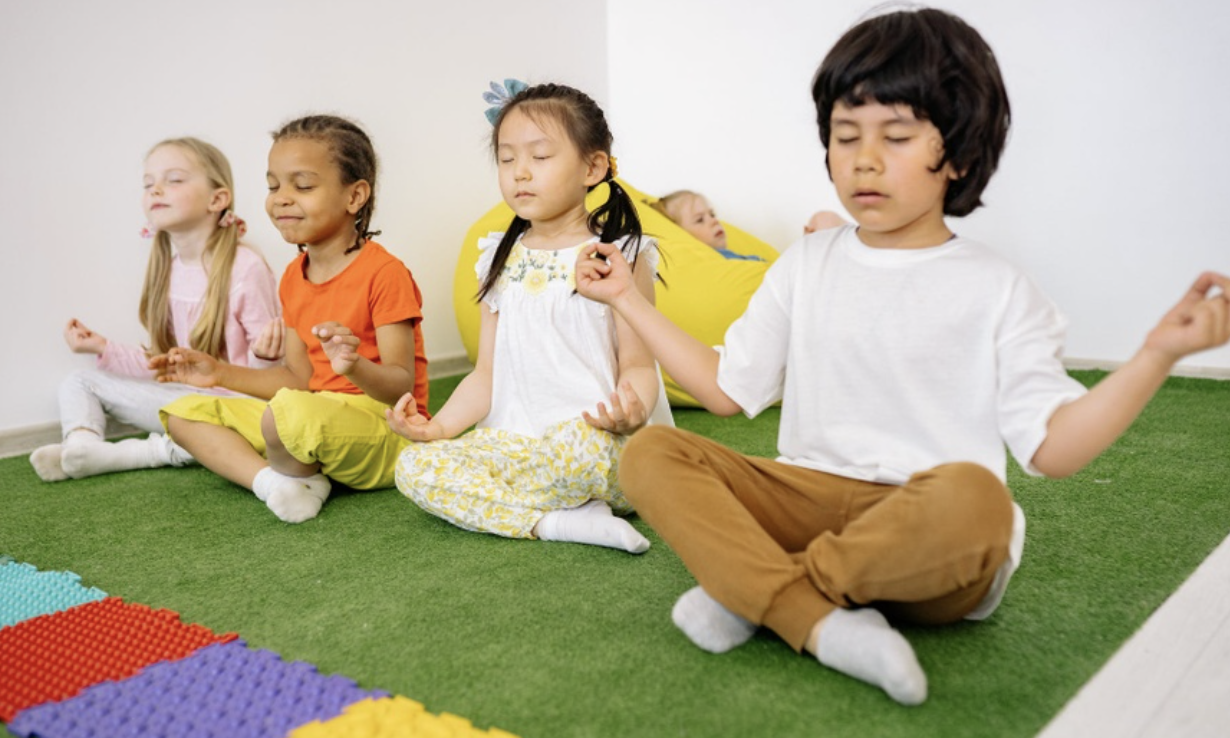
MindUP is a neuro-science based program that teaches students Mindfulness, Attention Control, and Emotional Regulation and is often utilized in elementary and middle school environments.
How widely SEL is implemented today
In the last decade, SEL has moved from the margins of education conversations into the mainstream. Most schools in the United States now report using some form of SEL approach, even if the language or model differs by state.
Recent national survey work by RAND and CASEL shows that by the 2023–2024 school year, the majority of principals reported using at least one structured approach to build students’ social and emotional competencies during the school day. Many schools combined multiple approaches.
How to use SEL in education
The most convincing answer to “what is SEL in education?” usually comes from observation. When you walk into a classroom using SEL well, you see subtle but specific moves during stressful moments. Those moves connect directly to the competencies described earlier.
Examples from common classroom situations
In each case, SEL does not mean ignoring boundaries. It means pairing boundaries with tools so students can practise a different response next time.
Common misconceptions about SEL in education
Obviously, there are misconceptions about what SEL in education really means, and you probably started reading this article with some of your own.
“SEL is extra and takes time away from real learning.”
SEL improves the learning climate by increasing students' ability to focus, self-regulate, and work collaboratively.
“SEL is only about feelings.”
Feelings are one aspect of SEL, but so too are goal-setting, problem-solving, and making decisions while feeling stressed or under pressure.
“SEL is only for students with behaviour issues.”
Every student uses SEL skills when managing stress, navigating friendships, participating in class discussions, or recovering from a mistake.
“SEL means there are no consequences.”
In high-quality SEL, there will be accountability. The main difference is that rather than punishing the student, you teach them how to repair harm and make better choices.
How ThriveNest fits into SEL in education
The "gap" for many school districts has shifted from "believing in SEL" to having the resources to implement SEL as part of their regular school routine.
ThriveNest was designed to be an addition to the normal flow of a student's day rather than something that would distract or add extra work. The space provides students with a safe place to reflect privately on their feelings and decision-making processes, and the educator will have data and language to support the conversation with the student (rather than turning it into a public evaluation).
For example, a teacher may ask a student to answer a few questions before a test/quiz to help the student prepare mentally, a counselor could look at trends in how students describe stress and anxiety, and a school administrator could view areas of struggle by competency and grade level. This allows adults to see and respond to SEL in targeted ways instead of making educated guesses about where SEL is falling short
FAQ
Is SEL a separate subject in the timetable?
There is variation in how SEL can appear within a student's daily schedule. Some schools may have a specific time for SEL (a "lesson" or an "advisory") while other schools will integrate SEL into their current subjects, transitions, and routines. The actual scheduling of SEL is less important than consistency. When SEL is consistently taught throughout the day using the same skills and language, the greatest learning benefits occur.
How is SEL different at the elementary and secondary levels?
While the basic competencies remain the same, teaching them changes with the developmental stages of students. At younger ages, students may be learning to name emotions by identifying pictures and creating short sentences using sentence frames. At older ages, students may learn to analyze real-life events and create plans for how to handle difficult situations that require courage, such as social media conflicts or the decision to try and attend college.

Subscribe to newsletter
Browse all blogs
.svg)
.svg)






.png)
.svg)
